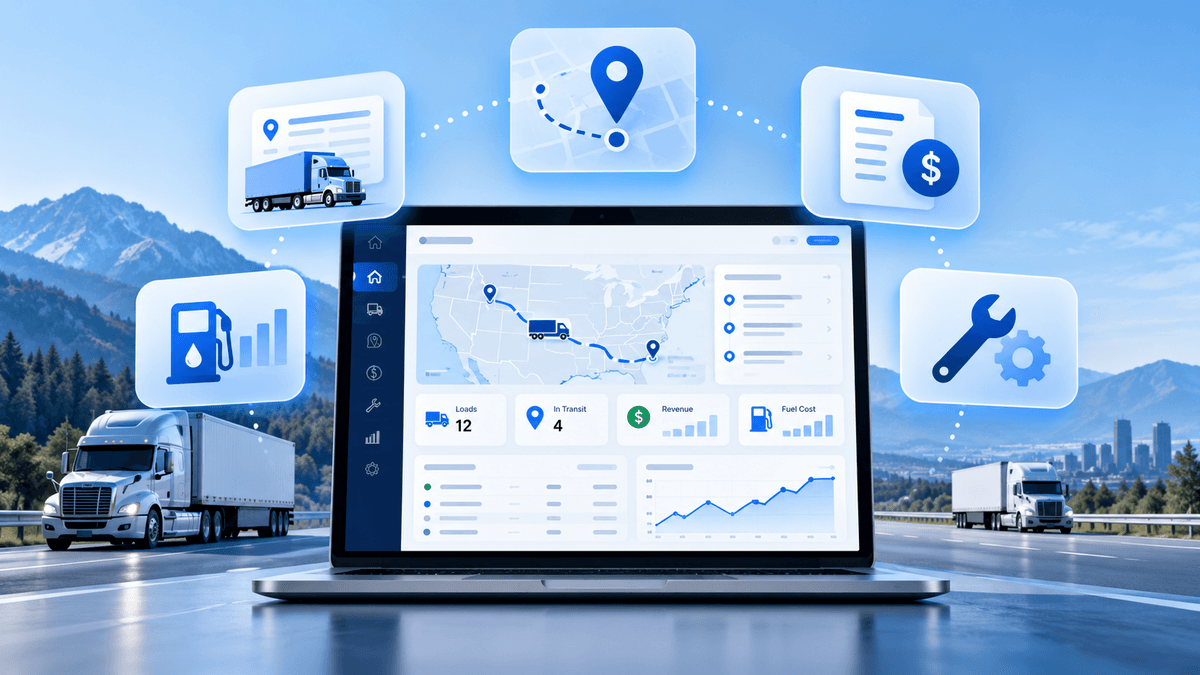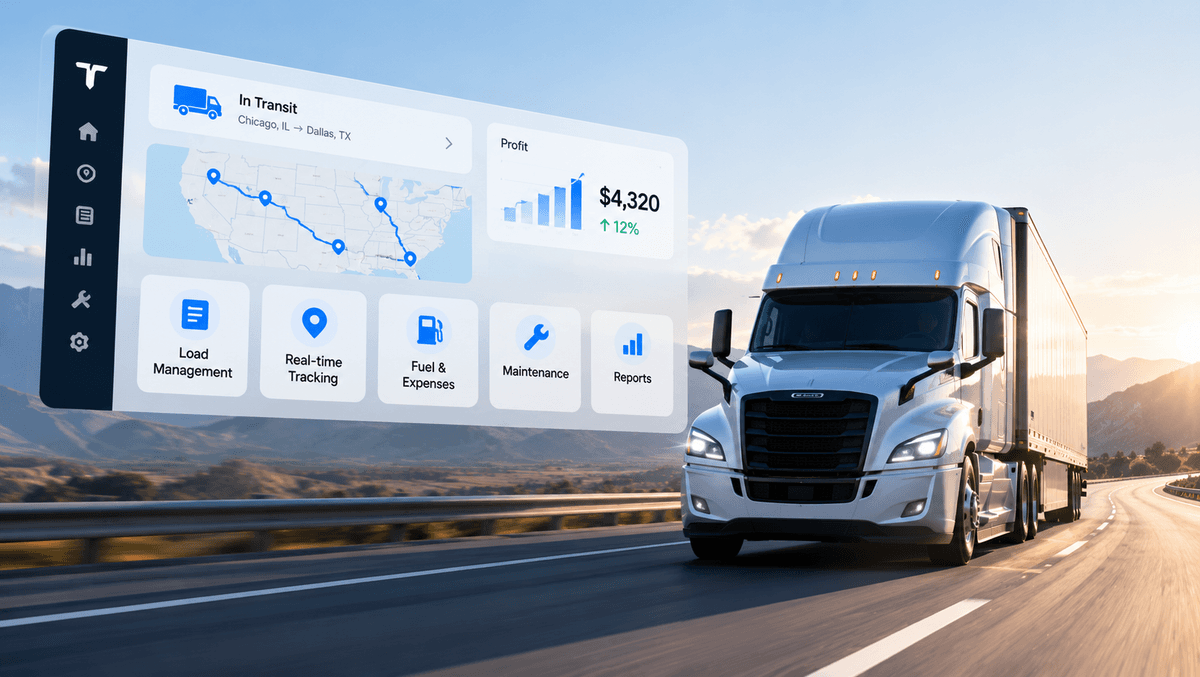
Are you looking for ways to improve the efficiency of freight operations for your trucking company? Technology may be the answer. With innovative tech solutions that lead to more efficient operations, trucking companies can drive long-term growth and profitability, and when it comes to logistics, fleet telematics are the brain behind freight operations. Freight companies interested in telematics may want to know — what are the key benefits of fleet telematics features in trucking?
TenTrucks is here to help answer your questions and provide you with viable solutions that will help you grow your business.
Top 5 Benefits of Fleet Telematics in Trucking
Fleet telematics provide trucking companies with a way to better monitor your assets on the road via GPS-powered technology and on-board diagnostics capabilities. Fleet telematics are implemented on three levels — hardware, networks, and data. The telematics hardware plugs into a truck’s OBD-II or J-Bus port and then connects to cellular or satellite networks to transfer data, and that data is transferred to cloud-based Transportation Management Systems (TMS) where dispatchers and fleet managers can monitor and analyze key pieces of data.
Here are five ways that the data and analytics provided by fleet telematics can benefit your trucking company:

1. Improved Efficiency and Reduced Fuel Costs
Fuel is a major cost for freight carriers and trucking companies — totaling an estimated 25% – 30% of fleet costs — and fleet telematics solutions can help reduce those costs. Telematics have the ability to monitor and track truck idle times and speeds, giving you the ability to examine the data and find ways to improve driving habits on the road that promote efficiency. With the real-time location data provided by fleet telematics and route optimization software, dispatchers can provide drivers with the most efficient routes and help them avoid potential delays.
2. Improved Driver and Fleet Safety
Driver and fleet safety are priorities in the trucking industry and fleet telematics can help. Telematics can provide dispatchers with key pieces of driver data that include information on hard braking, aggressive acceleration, sharp cornering, and more that allow for driver coaching and can provide real-time alerts for drivers on the road who may be driving too aggressively. In addition to real-time driving data and alerts, fleet telematics can gather GPS and G-Force data from an accident to help you better understand what happened.
3. Improved Regulatory Compliance
Freight carriers can see financial and legal penalties when they are not compliant with driver Hours of Service (HOS) regulations or fail to provide accurate International Fuel Tax Agreement (IFTA) reports. Fleet telematics can improve compliance by automatically recording driver Hours of Service with Electronic Logging Devices (ELDs) to avoid manual data entry errors and by automatically recording miles driven in specific regions for IFTA reports.
4. Improved and Proactive Fleet Maintenance
The unexpected downtime for a single commercial truck can cost a freight company an estimated $448 – $760 per day with lost revenue, driver downtime, towing costs, and rental costs — and major repairs can range from $8,000 to $15,000. This cold, hard reality makes regular fleet maintenance critical to the success of a freight company and fleet telematics can help. Fleets that implement telematics solutions benefit from system alerts that provide Diagnostic Trouble Codes (DTC) and set maintenance schedules that prevent minor mechanical issues from becoming costly repairs.
5. Improved Customer Service and Communication
A happy customer is a return customer and fleet telematics have the capability to help you improve your customer service and communication. With the ability of fleet telematics to provide real-time location data of shipments, you can provide transparent ETA updates to your customers and maintain clear communication when shipments are on the road. The added benefit of fleet telematics geofencing capabilities also allows dispatchers to log when a truck enters or leaves a location for more accurate proof of delivery.
READ MORE: How To Choose a Cloud-Based TMS Provider
What are the key benefits of fleet telematics features in trucking? If you are looking at ways to improve your freight operations and have asked this question, TenTrucks has the answer with this quick overview that includes a list of the Top 5 Benefits of Fleet Telematics.
Contact TenTrucks today for more information about our TenTrucks TMS platform and dispatching services!