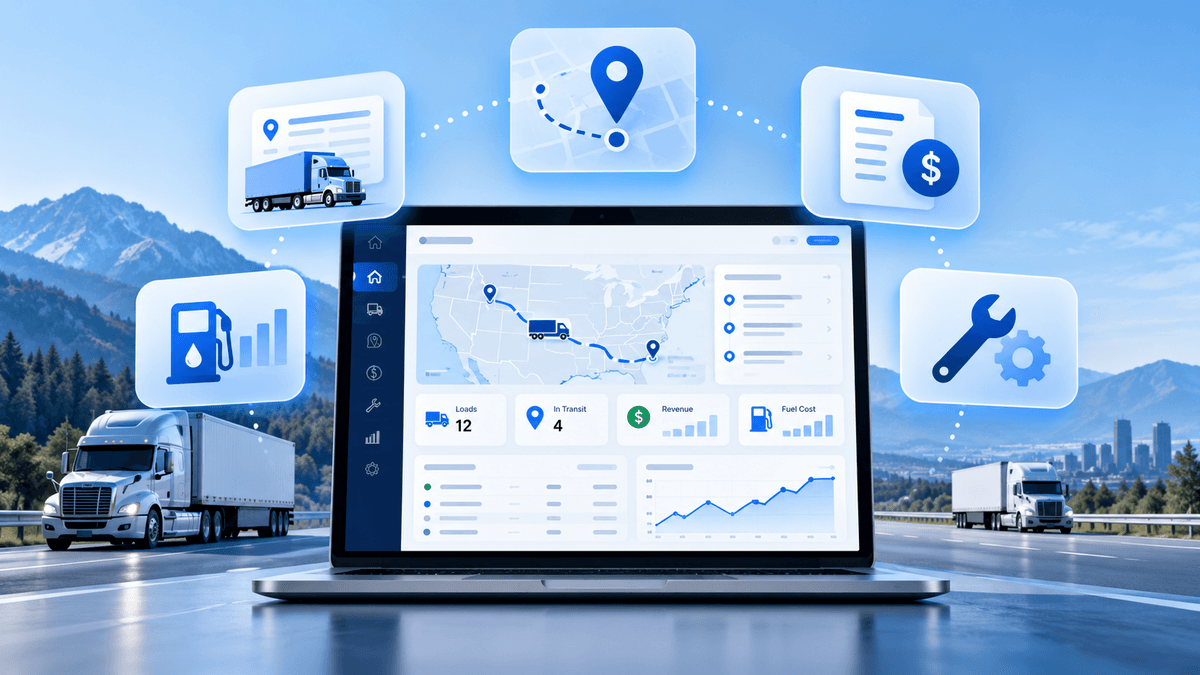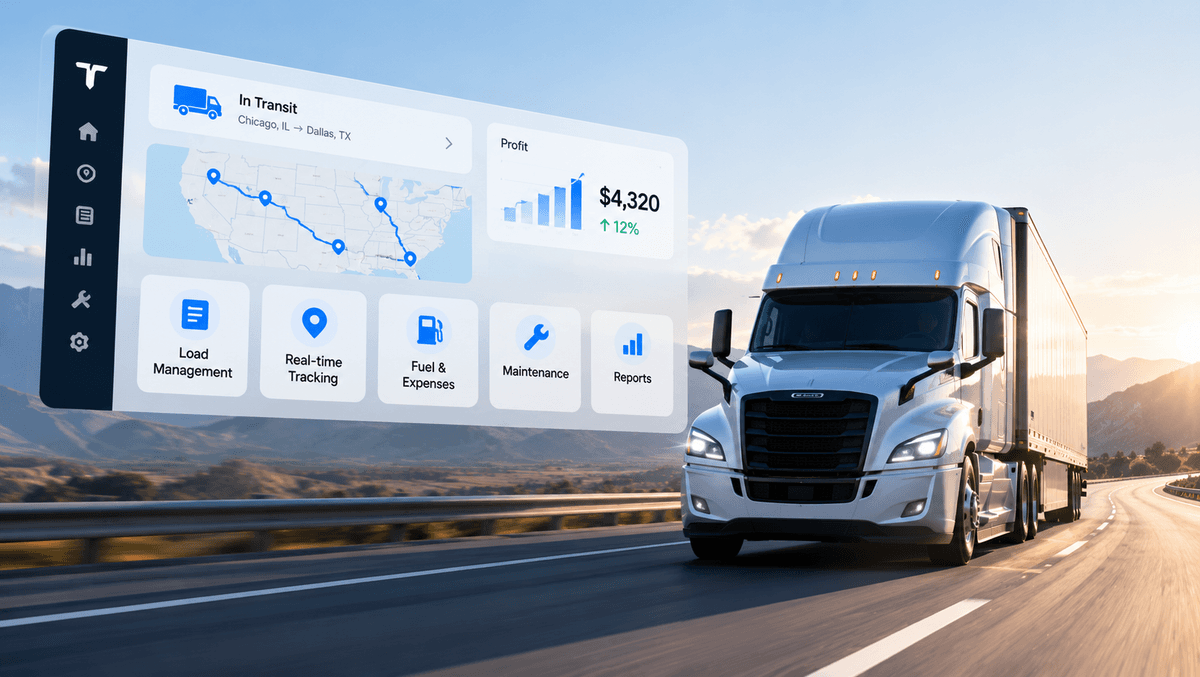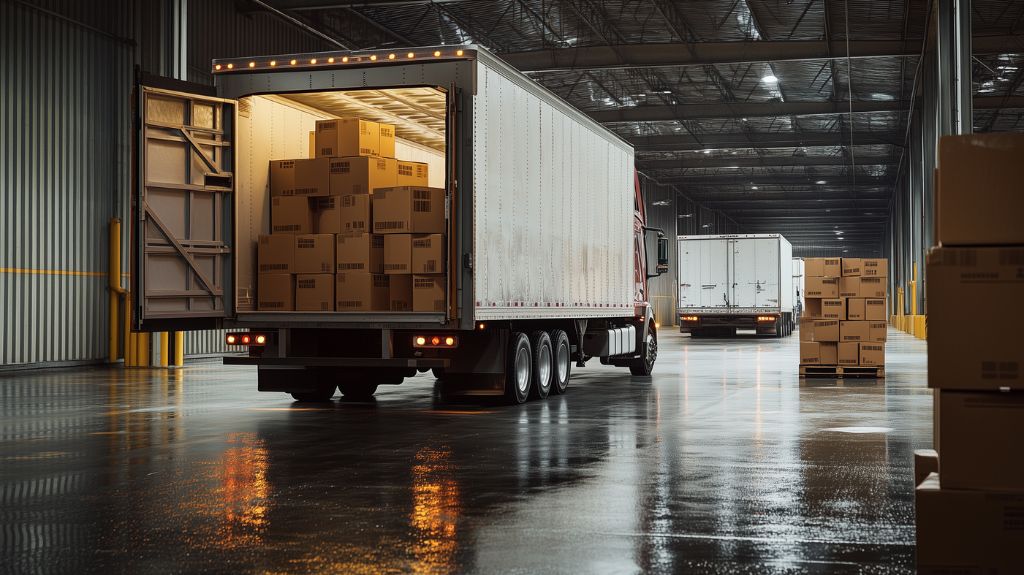
Freight companies that are able to reduce costs and improve load management will see increased profit margins and greater success in the future — but how can freight companies reduce these costs? Optimizing Less-Than-Truckload (LTL) shipments and filling trailers to 98%+ of capacity will help reduce fuel costs, eliminate empty miles, and lower the overhead costs for each load. Learn more about how to reduce LTL shipping costs with load optimization strategies and the advanced capabilities of your Transportation Management System (TMS).
5 Ways to Reduce LTL Shipping Costs with Load Management
Less-Than-Truckload shipments make up a small percentage of most freight company’s business — but it represents an estimated 29% of industry revenue. This makes it important to consolidate and optimize your shipments to maximize your profits when you handle LTL shipments, and this leads to questions.
Freight companies want to know how to maximize the capacity of fleet vehicles. How can you better plan routes to ensure that trucks make fewer stops? How can you better pack and ship cargo to maximize the amount of cargo on your trucks? These questions and more are important for freight companies to ask and answer when approaching the challenges of LTL shipping.
Here are a few ways that freight companies can optimize load management and reduce LTL shipping costs:
1. Employ a TMS with Route Optimization Software
Fleet vehicles with LTL shipments onboard will need to make multiple stops — which leads to increased fuel consumption and longer delivery times. With advanced route optimization software, fleet managers and dispatchers can plan more efficient routes based on weather and traffic, reduce fuel costs, reduce delivery times, and improve customer satisfaction by properly planning LTL loads and the routes trucks need to take.
2. Consolidate LTL Loads into Larger Shipments
How can you make LTL shipments more efficient and more profitable? The short answer is to consolidate multiple smaller shipments into larger shipments when possible. By consolidating smaller loads into larger shipments, freight companies can reduce handling costs and improve asset management to lower per-unit rates.
3. Increase Pallet Density and Optimize Packing
The more cargo you can fit on a single truck, the lower the costs and the higher the profits when you reach your destination. This means maximizing pallet density and optimizing your packaging. Pack cargo in tight, stackable pallets to minimize the physical space they take up in the trailer, lower shipping costs, and increase the profitability of each shipment.
4. Employ Accurate Shipment Data
Accurate data when loading, consolidating, and optimizing LTL shipments is critical. Armed with accurate data that includes cargo dimensions and weights, you can better plan your shipments to avoid excess weight. When shipments need to be re-classified due to size or weight, it leads to higher shipping costs for freight companies.
5. Pre-Plan to Improve Loading Efficiency
Proper planning prevents poor performance. This statement rings true for trucking and freight companies, and by pre-planning cargo shipments and improving loading efficiency, these companies can reduce LTL shipping costs. Freight companies that plan ahead and stage cargo ahead of time can improve freight carrier relationships and reduce potential costs.
READ MORE: Top 10 TMS Software Trends for 2026
Are you looking for ways to increase your profit margins for your freight company? When you learn how to reduce LTL shipping costs with load optimization, you will increase your profits and drive success for your freight company — and TenTrucks TMS can help.
Contact TenTrucks today to learn more about TenTrucks TMS and our 24/7 dispatching services!