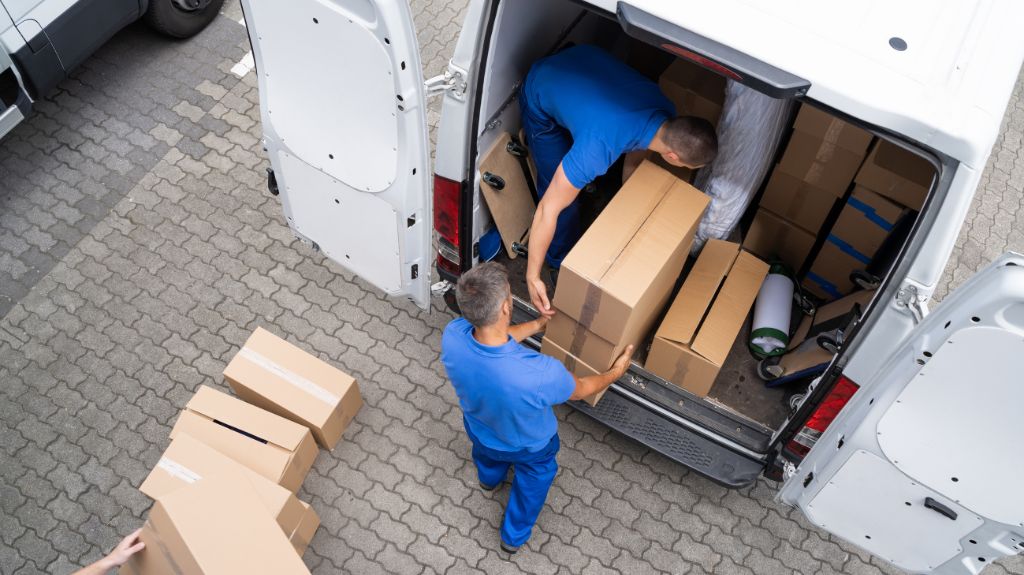
Freight companies that pay attention to the latest trends in the trucking industry may have seen an emphasis on last mile deliveries in recent years. Last mile delivery is the aspect of freight operations that we are most familiar with — the delivery of products, packages, or cargo from a warehouse to the final location. With the growth of companies like Amazon, last mile delivery has become a key point of emphasis for many freight companies.
With a revived emphasis on last mile deliveries, many freight companies have questions on how they can improve their last mile deliveries. Freight companies may be asking — how does a TMS improve last mile deliveries? TenTrucks may be able to help fill in some of the blanks with this quick overview.
8 Ways a TMS Improves Last Mile Delivery
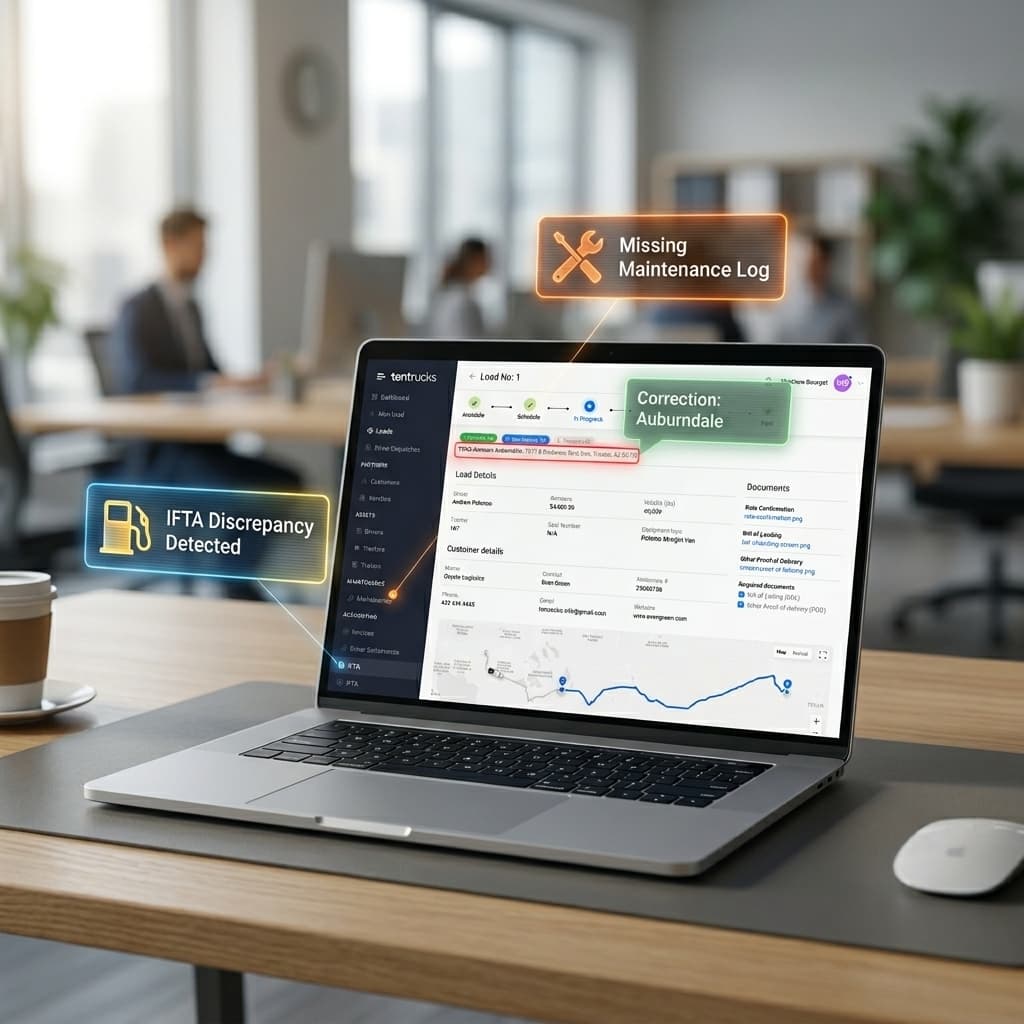
A cloud-based Transportation Management System (TMS) provides a wealth of benefits for trucking and freight companies and with route optimization software, real-time visibility, proactive communication, and more, these innovative solutions improve the ability of trucking companies to get cargo from Point A to Point Z with ease.
Here is a closer look at the key ways a TMS platform improves last mile delivery for freight companies:
1. Improved Route Optimization
When a truck has multiple stops on a route, route optimization is a key feature that can improve last mile delivery and reduce fuel costs. Innovative route optimization solutions can monitor traffic, weather, miles driven, fuel costs, and more to provide drivers with the most efficient route.
2. Real-Time Visibility
It is important that both customers and dispatchers know when they can expect cargo to reach its final destination and with real-time visibility, a Transportation Management System can help you maintain visibility of your trucks and your cargo in real-time. This allows you to be more proactive in your communication with customers.
3. Proactive Communication
A lack of communication can lead to frustrated customers asking where their cargo or packages are and when they will be delivered. With more information on routes and cargo status, freight companies are allowed to provide more proactive updates on the arrival of cargo and any potential delays.
4. Improved Load Management
Trucks that make multiple stops with multiple deliveries are the core of last mile delivery and this is a key challenge of Less-Than-Truckload (LTL) shipping. Advanced TMS platforms can help optimize your load management to ensure that your last mile deliveries run as efficiently as possible.
5. Automated Dispatching
When you manage a fleet of trucks that are all making multiple deliveries, scheduling and dispatching is a key part of the process. Many TMS platforms have the ability to automate dispatching and scheduling, speed up the process, and minimize potential errors.
6. Improved Management of Delays
What do you do when there is a delay and a shipment won’t be delivered as expected? A Transportation Management System can alert dispatchers when a truck is delayed or will not arrive, which allows them to re-route shipments, contact customers, and prevent a short delay from becoming a major issue.
7. Access to Driver Mobile Apps
A key tenet of last mile delivery is communication — both with dispatchers and customers — and a Transportation Management System that is integrated with driver mobile apps can help ensure everyone remains on the same page when it comes to delivery statuses and delays.
8. Reduced Costs and Cost Analytics
Delays or missed deliveries can cost last mile freight companies time, money, and customers. Not only does a TMS provide innovative solutions that will help you reduce operational costs, it will provide you with advanced cost and performance analytics that will help you make data-based changes to your freight operations that benefit your company in the long term.
READ MORE: What Are the Challenges Facing the Trucking Industry in 2026?
Are you a freight company interested in improving your last mile delivery operations? You may have questions like — how does a TMS improve last mile deliveries? TenTrucks has the answers right here in this quick overview.
Contact TenTrucks today to find out more about the impact of a Transportation Management System on your freight operations!