What You’ll Learn in This Guide
Fleet managers and truck drivers face dozens of industry-specific terms daily. From understanding your vehicle’s GVWR to complying with ELD regulations, knowing these concepts is critical for safety, compliance, and operational efficiency. This guide covers the essential fleet management and trucking terminology you need to succeed.
Odometer: Tracking Your Vehicle’s Mileage
An odometer is a device that measures the total distance a vehicle has traveled. For fleet managers, odometer readings are critical for:
- Tracking fuel efficiency and maintenance schedules
- Calculating vehicle depreciation and resale value
- Monitoring driver performance and route optimization
- Verifying mileage-based insurance claims
Modern fleet management systems integrate odometer data automatically, eliminating manual tracking and reducing errors. This real-time visibility helps optimize routes and predict maintenance needs before breakdowns occur.
GROSS VEHICLE WEIGHT RATING (GVWR): Compliance & Safety
GVWR is the maximum safe weight a vehicle can carry, including the vehicle itself, cargo, fuel, and passengers. Exceeding GVWR is illegal and dangerous.
- Why GVWR matters:
- Legal compliance: Federal regulations require strict adherence
- Safety: Overweight vehicles experience brake failure and tire blowouts
- Insurance: Claims may be denied if GVWR was exceeded at time of incident
- Fines: DOT violations can result in $1,000+ penalties per violation
Find GVWR on your vehicle’s driver-side door jamb. Monitor weight before every load to stay compliant.
Electronic Logging Device (ELD): Hours-of-Service Compliance
An ELD automatically records driving time and hours of service (HOS), replacing paper logbooks. The FMCSA mandated ELDs for all commercial drivers effective December 2017.
- Key features of ELDs:
- Real-time HOS tracking with automatic violation alerts
- Reduced manual paperwork and record errors
- Integration with telematics for complete fleet visibility
- Enhanced driver safety by preventing fatigue-related accidents
Drivers must log four statuses: Off-duty, Sleeper berth, Driving, and On-duty not driving. Regulations require 10 consecutive off-duty hours before driving again. ELDs ensure automatic compliance.
Diesel Exhaust Fluid (DEF): Emissions & Maintenance
DEF is a non-toxic fluid (32.5% urea + 67.5% deionized water) that reduces NOx emissions in diesel engines. All modern diesel trucks are required to use SCR systems with DEF.
- DEF maintenance basics:
- Average consumption: 2-3% of fuel usage
- Storage: Keep below 86°F (DEF crystallizes if frozen)
- Tank location: Usually beneath fuel tank or on frame rail
- Cost: $3-5 per gallon; budget $300-500 annually per truck
Running out of DEF triggers engine derate—your truck will be limited to 5 mph. Always maintain adequate supply. Most modern fleet management systems alert drivers when DEF levels drop.
Engine Control Module (ECM): The Brain of Your Engine
The ECM is a computer that manages engine performance by monitoring sensors and controlling fuel injection, emission systems, and ignition timing. It’s essentially your engine’s brain.
- ECM responsibilities:
- Optimizing fuel efficiency and combustion
- Monitoring emissions compliance
- Detecting and logging diagnostic trouble codes (DTCs)
- Managing engine temperature and oil pressure
When the ECM detects a problem, it logs a diagnostic trouble code and illuminates the check engine light. Modern diagnostics can identify issues before they become catastrophic failures.
Automotive Diagnostic Trouble Code (DTC): Reading Your Engine
A DTC is a code stored by the ECM when it detects an engine problem. Codes follow a standard format: P (Powertrain), C (Chassis), B (Body), or U (Network), followed by four digits.
- Common DTC examples:
- P0101: Mass Air Flow (MAF) Sensor Range
- P0300: Random Cylinder Misfires
- P0401: Exhaust Gas Recirculation (EGR) Flow Insufficient
Never ignore DTCs—they indicate real problems affecting performance, emissions, or safety. Use a diagnostic scanner to read codes, then consult a technician for repairs. Clearing codes without fixing the underlying issue will cause the light to return.
Remit: Understanding Fuel Card & Payment Terms
To remit means to send payment, typically referring to how drivers and fleets pay for fuel and services. This is critical for fleet accounting and cash flow management.
- Types of remittance:
- Fuel card payments: Automatic debit at pump
- Invoice remittance: Monthly billing for fuel/maintenance
- Per-diem remittance: Driver reimbursement for authorized expenses
- Commission remittance: Owner-operator settlements
Fleet management software automates remittance tracking, reconciling fuel purchases against invoices. This prevents fuel theft and ensures accurate expense allocation.
Smog Check & Vehicle Emissions Compliance
A smog check (or emissions test) verifies that a vehicle meets air quality standards. Requirements vary by state, but all commercial vehicles must comply.
- Smog check requirements:
- Annual testing for commercial trucks in most states
- Must pass NOx, particulate matter, and CO2 limits
- Failure requires repairs and re-testing (cost: $300-1,500+)
- Expired smog certificates result in vehicle impoundment
Schedule smog tests before expiration. Using DEF and maintaining proper emissions equipment prevents failures.
Fleet Management Systems: Geotab & Modern Telematics
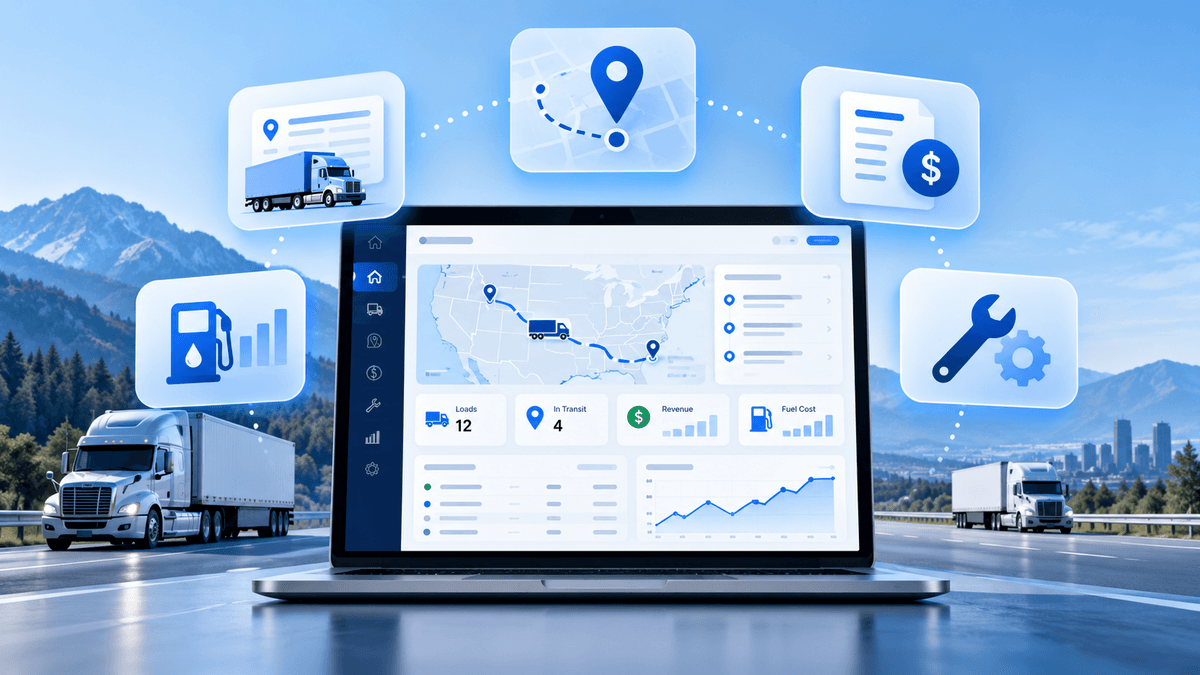
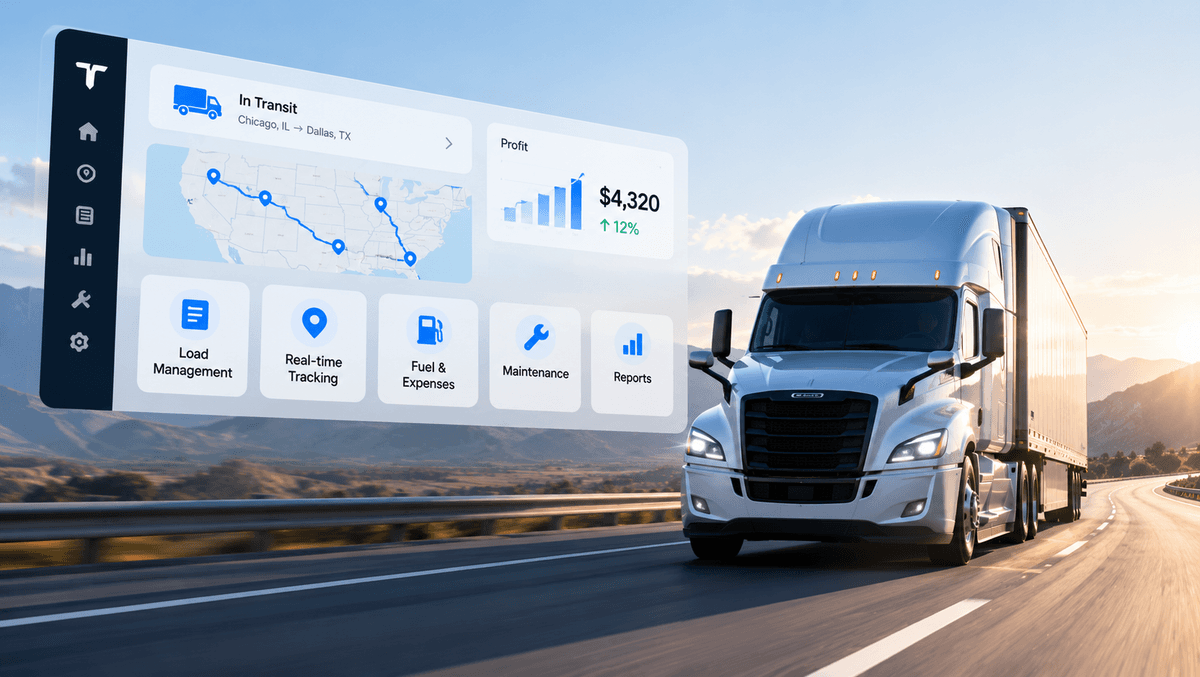
Modern fleet management platforms (like Geotab) integrate all the terms above into one dashboard. They provide real-time visibility into odometer readings, GVWR compliance, ELD status, emissions, and more.
- Benefits of modern fleet management:
- Automated compliance monitoring (ELD, smog check scheduling)
- Real-time diagnostics and maintenance alerts from ECM data
- Fuel card integration for remittance tracking
- Route optimization using odometer and GVWR data
Frequently Asked Questions About Fleet Terms
Q: What’s the difference between GVWR and GAWR?
A: GVWR is total vehicle weight; GAWR (Gross Axle Weight Rating) is the max weight per axle. Both must be respected.
Q: Can I exceed GVWR slightly?
A: No. Exceeding GVWR by even 1 pound is illegal and voids insurance. Monitor weight carefully.
Q: How often should I service my ELD?
A: ELDs rarely need service, but ensure wireless connectivity and battery backup are functional.
Q: What if DEF freezes in winter?
A: DEF crystallizes below freezing. Park in heated garages or use heated DEF tanks to prevent this.
Q: How much does a smog check failure cost?
A: Testing is typically $50-100, but failed repairs can cost $300-1,500+ depending on the issue.
Key Takeaway: Master These Terms for Fleet Success
Understanding fleet management terminology isn’t just about compliance—it’s about operational efficiency and cost control. By mastering concepts like GVWR, ELD regulations, DEF maintenance, and ECM diagnostics, you’ll:
- Prevent expensive breakdowns and fines
- Maintain regulatory compliance
- Optimize fuel efficiency and mileage tracking
- Make data-driven decisions using modern fleet management tools
Whether you’re a fleet manager, truck driver, or logistics owner, these fundamentals form the foundation of successful fleet operations. Use modern fleet management systems that integrate all these functions to stay competitive and compliant.
Ready to streamline fleet management? Explore modern fleet tracking solutions that automate compliance, monitor vehicle health, and optimize routes